I'll be direct about what you can reasonably do yourself versus what you shouldn't touch — based on the actual risk, not a blanket "hire a professional for everything." Plenty of small electrical tasks are perfectly safe for a careful homeowner, and there is no need to call someone out to reset a breaker. But Bali adds a few specific hazards that do not exist in a typical European or Australian home, and those are worth understanding before you pick up a screwdriver.
Two things make DIY electrical work riskier here than you might expect. First, the earthing in many villas is absent or fake, which means you cannot rely on a fault tripping the breaker to protect you — the protection that would save you at home may simply not be there. Second, the wiring is often non-standard: wire colours that do not mean what they should, circuits that share neutrals, and live conductors in places no electrician would expect them. With that context, here is the honest breakdown.
Many Bali villas were built or extended informally. This means wires that aren't the colour they should be, circuits that share neutrals unexpectedly, live wires in places you wouldn't expect. Before doing any DIY electrical work in a Bali villa, consider a diagnostic visit first.
If you are going to do the things in the "possible" list above, follow these without exception. One: always test before you touch. A cheap non-contact voltage tester or a proper multimeter confirms a wire is actually dead — do not trust the label on the breaker, because in Bali the labelling is often wrong or the wrong MCB was switched. Two: assume there is no working earth. Treat every metal fitting as if it could become live, and never work barefoot on a wet tile floor. Three: photograph everything before you disconnect it. When the wiring is non-standard, that photo is the only reliable record of how it was connected.
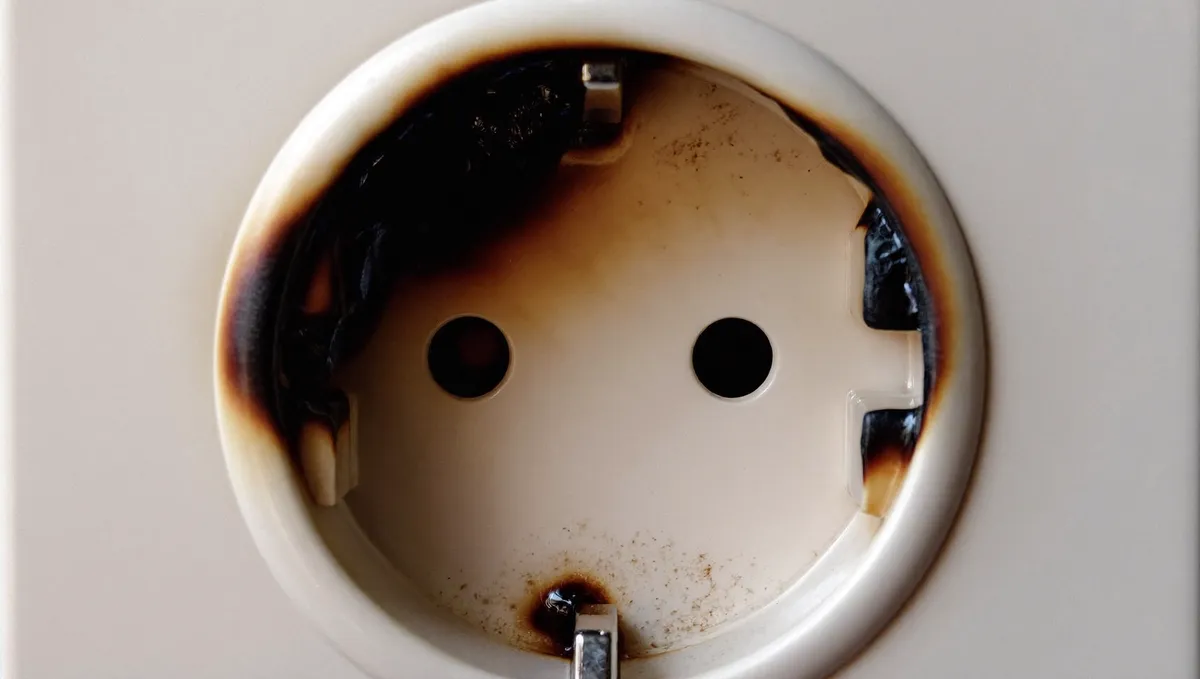
The false economy we see most often is someone replacing an outlet that was failing because of a deeper fault — undersized cable or a loose upstream connection — so the new outlet fails too, and now there is heat damage in the wall as well. If a socket, switch or fitting keeps failing, the component is not the real problem; something feeding it is. That is the point to stop and get it diagnosed properly rather than throwing parts at it.
For more on what tends to go wrong here, read our guide to the most common electrical problems in Bali villas and electrical safety in Bali villas. If a job is beyond the safe DIY line, our repair and fault finding service covers all Bali areas. Questions about electrical work in your Bali property? WhatsApp us — free advice, no pressure.