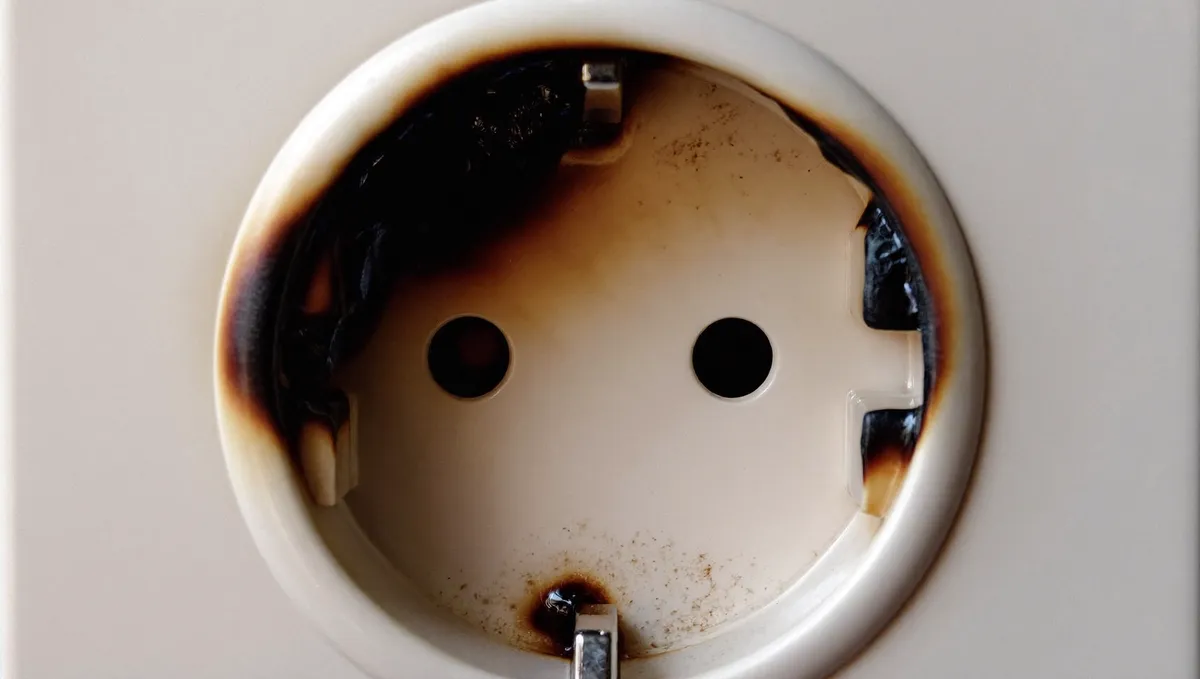
If you own, rent or manage a villa in Bali, electrical safety is worth ten minutes of your attention — because the things that make Bali wonderful (heat, humidity, fast informal construction) are exactly the things that make its electrics riskier than what you are used to at home. This is a practical, non-alarmist guide to what actually matters and how to check your own villa.
Most serious electrical incidents in Bali villas are not freak accidents. They trace back to a small number of recurring weaknesses, and almost all of them are fixable in an afternoon once you know what to look for. Here are the points we check on every safety inspection, in order of how often they cause real harm.
Earthing is the single most important safety system in your villa, and it is the one most often missing or fake here. A proper earth gives fault current a safe path so that if an appliance becomes live, the breaker trips instead of the current going through whoever touches it. Many older and informally built Bali villas have no earth rod at all, or an "earth" wire that connects to nothing. You cannot tell by looking — it has to be tested with an earth-resistance meter. If you do one thing for safety, verify your earthing.
An RCD (residual current device) or RCBO detects current leaking to earth — the kind of fault that electrocutes people — and cuts power in milliseconds. It is standard in modern homes worldwide, yet a surprising number of Bali distribution boards have none. If your panel has only plain MCBs and no RCD/RCBO, you have overload and short-circuit protection but no shock protection. Adding it is a quick, high-value upgrade, especially in villas with pools, outdoor kitchens or young children.
Undersized cable is the root cause of most overheating and fires we see. Cable that is too thin for its load runs hot, the insulation breaks down over time, and eventually a connection fails — often inside a wall where you cannot see it until there is a smell or a scorch mark. Heavy loads (water heaters, AC, pumps) need appropriately thick cable on their own dedicated circuits. If appliances have been added to existing circuits over the years, this is worth checking.
Water and electricity around a Bali pool deserve special care. Pool pumps, underwater lights and outdoor sockets must be properly earthed, RCD-protected, and weatherproofed with IP-rated fittings and sealed connections. The combination of standing water, constant humidity and salt air near the coast corrodes cheap outdoor electrics fast, so this is an area to inspect at least once a year.
Want this checked professionally? Book an electrical safety inspection for your Bali villa — earthing, RCDs, cable sizing and the panel, with a written photo report.
You do not need to be an electrician to stay ahead of trouble. Once a year, walk the property: feel outlets and the panel for heat, test that any RCD trips when you press its test button, look at outdoor fittings for corrosion, and note any breaker that has been tripping. For anything you cannot verify yourself — particularly the earthing and the cable sizing — a one-off professional safety check is inexpensive and tells you exactly where you stand. For rental villas, it is also simply good risk management.
Want a safety check or found a warning sign? See our repair and fault finding and panel upgrade services, and read the most common electrical problems in Bali villas and why your MCB keeps tripping. WhatsApp us — free advice, no pressure.